
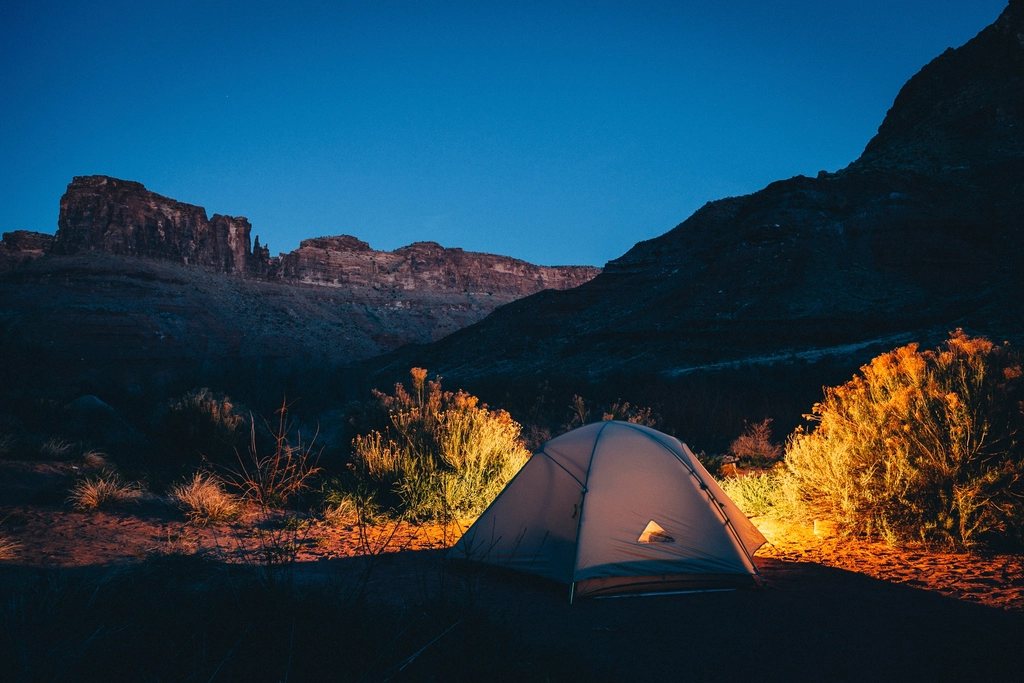
On a clear dry-season morning in the Cordillera Huayhuash the thermometer inside the tent reads minus 10. By eleven you are walking in a sun hat and a thin shirt with sweat running down your back, and the air temperature at 4,400 m is 18 degrees with a radiant load that feels like 30. At three a cloud crosses the sun and a wind comes over the pass, and within minutes you are shivering. By dark it is freezing again. A daily range of 25 to 30 degrees is normal on the puna. Patagonia is less extreme on the thermometer, rarely below zero or above 20 in summer, but it adds rain, sleet and wind that can arrive together within the hour. The clothing that works in both places is not a jacket. It is a system.
The four layers and what each one is for
Every layering system rests on the same division of labour. A base layer moves sweat off the skin. A mid layer traps warm air while you move. A shell keeps wind and water out. An insulation layer, worn only when you stop, holds heat while you are still. The mistake most of us make early on is to buy each layer for maximum warmth and then wear too many of them; the skill is in carrying pieces that are light and easy to change, and in changing them before you need to rather than after.
For a two-week Andean trek the whole system, worn and carried, should weigh under 3 kg. If it weighs more, something is doing a job that another piece already does.
Base layers: the piece you never take off
A light long-sleeved merino or synthetic top, around 150 g per square metre, is the foundation on both continents. Long sleeves matter more than warmth: at 4,000 m the ultraviolet load is 40 to 50 percent higher than at sea level, and on the equator in Ecuador the sun is overhead all year. Covered forearms, a wide-brimmed hat and a neck gaiter save more skin than any cream. Merino resists smell over long trips and stays comfortable damp; synthetic dries faster in Patagonian rain and costs less. On the legs, light trekking trousers with a wind-resistant face fabric do most of the work; thermal leggings come out only at camp and on pre-dawn starts over the passes.
Carry one spare base layer, kept dry in a bag, for sleeping. Going to bed in what you walked in is the fastest way to a cold night.
Mid layers: warmth that breathes
A light fleece or grid-fleece hoody of 200 to 300 g is the workhorse. It goes on in the cold of the morning, comes off by mid-morning and returns at the first pass. On the puna a second, thinner mid layer such as a wind shirt or a light synthetic vest gives you a step between shirt-sleeves and full fleece, and that step is used a dozen times a day. Zips are the point: a full-length front zip, hood and long sleeves that push up let you dump heat on the climb without stopping.
Shells: wind first, rain second
In the dry Andes of Peru and Bolivia, the shell is mostly a windproof. A light hooded jacket that breathes well is worn far more than a heavy waterproof, and the waterproof can stay near the bottom of the pack for the afternoon hail that arrives a few times a trip. In Patagonia the balance flips. Rain and wind arrive together and last for days on the Chilean side, so a genuinely waterproof, hooded shell with a stiffened peak, pit zips and a hem that reaches below the hip belt is the most important piece you carry. Waterproof overtrousers with long side zips go on over boots at the first drops; waiting until you are wet defeats the purpose. Whatever the shell, seam-taped is a minimum and a hood that turns with your head is worth paying for.
Insulation: for stopping, not for walking
The puffy jacket is the layer people get wrong most often, by walking in it. Its job is the lunch stop at 4,700 m, the cold hour at camp before the tent warms and the pre-dawn pass. For the dry Andes a down jacket of 200 to 300 g of fill is unbeatable for its weight. For Patagonia and for the wet paramo of Ecuador and Colombia, synthetic insulation is the safer choice, because damp down stops working and you will not get it dry. A hood on the insulation layer adds real warmth for a few grams. Put it on the moment you stop, over the shell if the shell is wet, and take it off before you start again.
Extremities and the daily rhythm
Hands, head and feet lose heat fastest and are the cheapest to fix. Thin liner gloves for walking, a warmer pair for camp, a warm hat, a sun hat, a neck gaiter and two pairs of socks in rotation cover every situation we have met from the Colombian paramo to the Beagle Channel. Sunglasses rated for glacier use belong on this list; snow blindness is real on the passes.
The rhythm of a high day is what makes the system work. Start in fleece and hat, strip to the base layer at the first sweat, add the wind shell on the pass, put the insulation on the moment you stop and take it off the moment you move. Change a wet base layer before dark, not after. Sleep in dry clothes, with tomorrow’s socks in the sleeping bag, and lay the frozen boots in the sun while you drink your coffee. A trekker who manages layers this way arrives at camp neither soaked nor chilled, which on a long trek is the whole difference between a good expedition and a long one.